Bath Textiles · Material Guide
Coyuchi Towels: A Closer Look at Linen Texture, Absorbency, and Care
A towel is a small instrument of daily life: reached for in the quiet after a shower, folded beside a basin, washed and returned to use. Its fiber and construction shape that routine as surely as its color does. Coyuchi’s Crel towel offers a different experience from a thick cotton terry, pairing linen with a lightly creped surface and an uncomplicated, minimal look.
Published November 10, 2026
A different kind of softness
Many people choose a bath towel by imagining the first touch: plush loops, a generous wrap, a soft surface ready to take up water. But softness is not a single quality, and it is not a dependable measure of how a towel will perform. Fiber, weave, density, and laundering all contribute to what the fabric feels like against skin and how it behaves after a shower.
Linen towels invite a different set of expectations. Rather than the cushion of a dense pile, linen tends to feel more open and textured. Its character is often described as breathable and light, qualities that can appeal in warm bathrooms, compact homes, or routines where a towel that dries readily is preferable to a thick, weighty one. The sensation may be crisp or pleasantly nubby at first, rather than immediately plush.
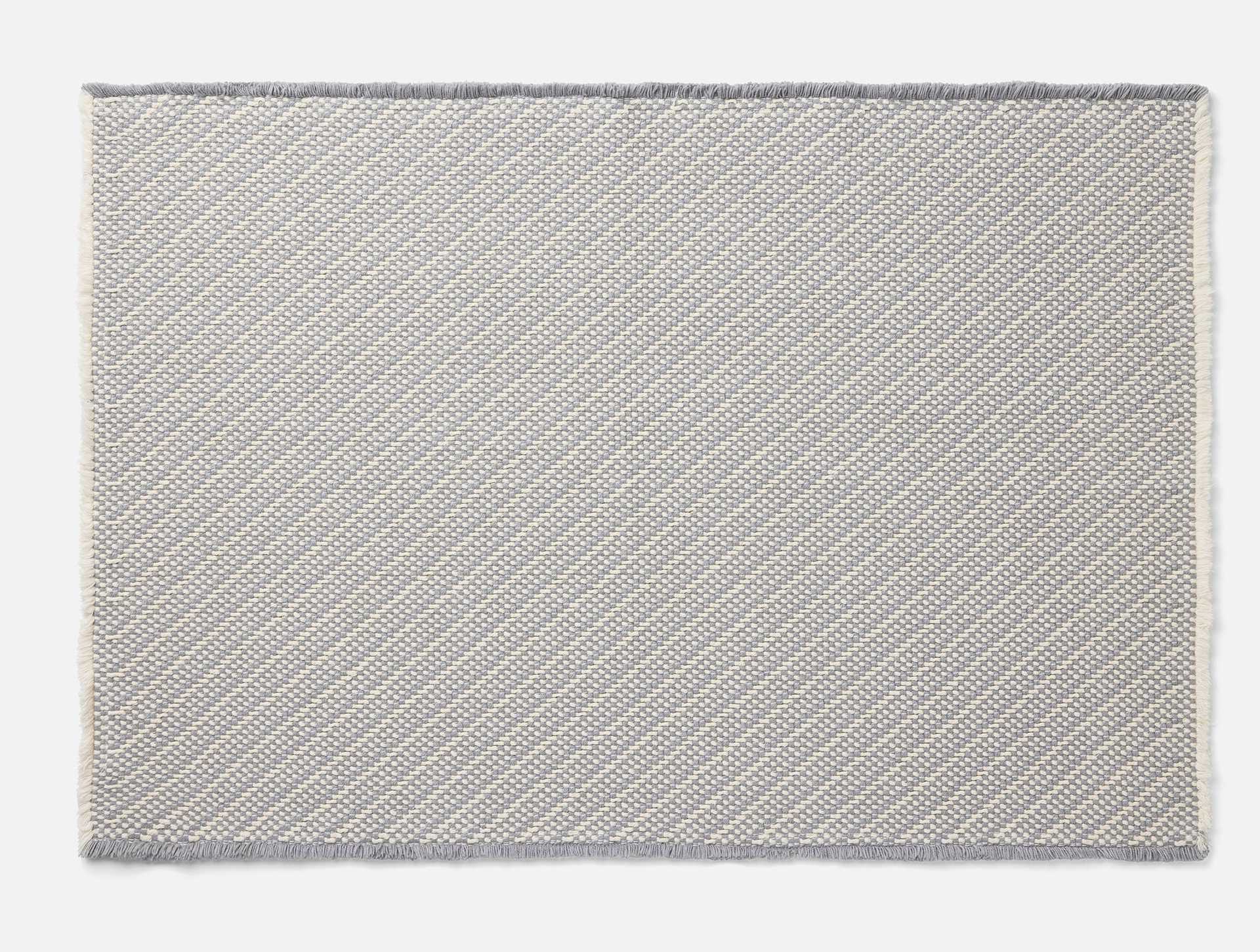
The Crel Bath Towel is described as 100% linen, with a crepe-effect fabric and three horizontally embroidered tone-on-tone lines. At 300 grams per square meter, it is a comparatively light textile. That number does not tell the whole story of absorbency or comfort, but it provides a useful clue: this is not designed to mimic a heavy, densely looped cotton towel. It belongs to a lighter branch of bath textiles, where texture and a spare profile are part of the appeal.
For anyone weighing linen towels against cotton, the useful question is not which material is universally better. It is whether a towel’s feel, drying habits, and care requirements suit the way a household actually uses it.
What linen feels like in the bathroom
Linen comes from flax, a plant fiber with a long history in textiles. In a towel, its identity is apparent in the surface: less velvety than cotton terry, often more visibly woven, and responsive to touch in a way that can feel pleasantly substantial despite a relatively light weight. A crepe-effect finish adds small variations to the surface, giving the fabric visual and tactile interest without relying on a thick pile.
That difference matters most at the moment of use. A plush cotton towel surrounds the body with loops that create a soft, padded sensation. A linen towel offers less loft and a more direct contact with the weave. Some people enjoy that drier, more textured feel; others prefer the enveloping comfort of terry. Neither response is a flaw. It is the simple result of different constructions meeting different preferences.
Texture also influences the way a towel looks when it is folded or hung. Linen’s relaxed surface can soften a bathroom that otherwise feels hard-edged, bringing a quiet, natural note to tile, stone, glass, and polished fixtures. The Crel towel’s three embroidered horizontal lines add a restrained detail rather than a strong contrast. In a neutral bathroom, that can contribute definition without making the textile the room’s dominant feature.
Consider the whole setting, not just the towel in isolation. A linen towel may sit comfortably beside simple bath accessories, natural finishes, or an uncluttered palette. It can also create a useful counterpoint to glossy tile and smooth stone. In either case, the goal is not to make the room feel like a showroom, but to choose materials that make everyday use feel considered.
Understanding absorbency without relying on one number
Absorbency is often treated as a simple contest: the towel that takes up the most water must be the best. In practice, several features affect the result. Fiber characteristics, yarn, weave, surface area, density, and condition after laundering can all influence how a towel handles moisture. A heavier towel may hold more water in its fabric, while a lighter one may feel easier to handle and may dry more readily between uses. These are related but distinct qualities.
GSM, or grams per square meter, describes a textile’s mass over a standardized area. At 300 g/m², the Crel towel is positioned toward a light, less bulky feel compared with many thick, plush terry towels. GSM should be read as context, not as a complete performance rating. It cannot, on its own, tell you exactly how quickly a towel will absorb water, how long it will take to dry in your bathroom, or whether its texture will feel comfortable to you.
Bathroom conditions matter, too. A towel hung open in a well-ventilated space has a different opportunity to dry than one left folded on a hook in a humid room. The frequency of use, the distance between showers, room temperature, and ventilation can all shape how fresh and dry a towel feels by the next routine. A lighter textile may be appealing where quick turnover and less bulk are priorities, but no fiber can compensate for a towel that remains bunched in a damp corner.
When evaluating a linen towel, pay attention to the sensation you want after washing. Are you looking for a soft, cushioned wrap, or a lighter towel with a more pronounced weave? Do you want a large amount of fabric to absorb moisture in one pass, or would you rather have a textile that is easier to hang and manage? These questions are more useful than assuming that one fabric category automatically fits every household.
For a contrasting example in the same general bathroom setting, the Crel Bath Towel is specified as 100% linen with a crepe-effect construction and a weight of 300 g/m². Those details offer a practical starting point for comparing its lighter profile with denser cotton towels, rather than promising a particular experience for every person or bathroom.
Linen and cotton: two different routines
Cotton terry is familiar for good reason. Its loops create a soft, absorbent surface that many people associate with a traditional bath towel. Depending on the construction, cotton towels can range from light and quick to handle to exceptionally dense and plush. That variety makes “cotton” too broad a category to describe one exact feel, just as linen towels can vary in weave and finish.
Linen’s appeal is often in its lighter hand and visible texture. It can suit someone who wants a less bulky towel, appreciates a natural-looking weave, or finds a thick towel slow and cumbersome in a small bathroom. The trade-off is that it may not deliver the same cushioned sensation as high-pile cotton. If plushness is the central requirement, a lighter linen towel may feel like the wrong tool, even if its other qualities are attractive.
There is also the question of drying. A towel’s drying speed depends on its construction and on the room around it, not solely on the name of its fiber. A thin textile spread out on a rail in a ventilated room is likely to dry under different conditions from a dense towel hanging folded in a humid space. Consider how much rail or hook space is available and whether the towel can be opened fully between uses.
In a household with several users, it can be useful to match towel types to different tasks. A plush cotton towel may be preferred for a full-body wrap, while a lighter linen option might suit a guest bathroom or a warmer season. There is no need to choose a single material for every surface and routine. A sensible linen closet can contain different weights and weaves, each selected for a reason.
Think about laundering habits as well. A towel used frequently needs to fit easily into the household’s regular washing routine. If a particular textile requires care that is difficult to sustain, its feel or appearance may not make up for the inconvenience. A good everyday choice is one that people will wash, dry, and return to use properly.
Care that preserves the feel
The Crel towel is described as machine washable, making routine cleaning straightforward. As with any textile, follow the specific care instructions supplied with the towel and check its label before choosing a wash cycle. Gentle, appropriate laundering is a useful starting point for maintaining the structure and surface of bath textiles over time.
In general, avoid treating detergent as a measure of cleanliness: using more than needed can leave residue in fabric. A detergent suitable for the textile and the machine’s load size is usually the more practical approach. Washing towels with items that have rough fasteners or parts that can catch loops and yarns may lead to snags, so separating loads by fabric type can help protect delicate surfaces.
Fabric softeners and dryer sheets are often used in pursuit of a smoother feel, but coatings or residues can affect how some towels interact with water. If absorbency is important, consider following the manufacturer’s guidance rather than automatically adding softener. The texture of linen is part of its character; trying to make it feel exactly like plush terry may not produce the result you want.
After washing, give the towel room to dry. Spread it on a rail or hang it so air can move around as much of the fabric as possible. In a bathroom with limited ventilation, opening a door or using the room’s ventilation system can help reduce lingering humidity. Avoid leaving a damp towel crumpled in a hamper or folded over itself for long periods; proper drying supports freshness and makes the towel ready for its next use.
Care is also a matter of observation. If a towel feels less absorbent than expected, consider whether detergent residue, softener, or insufficient drying could be contributing before deciding that the fiber itself is at fault. If the surface feels rougher after repeated laundering, check whether the wash and dry routine is too harsh for the textile. Small adjustments can often make a daily-use fabric more pleasant to live with.
- Check the care label and follow its instructions for washing and drying.
- Use an appropriate amount of detergent rather than adding extra by habit.
- Keep towels away from items with zippers, hooks, or rough edges that may snag fabric.
- Hang the towel open after use so it can dry between routines.
- Use fabric softener only if the care guidance recommends it and it suits your priorities.
Choosing a towel for your household
A useful way to choose is to begin with the conditions the towel will encounter. In a compact bathroom, a light textile may be easier to hang and store than a thick, heavy towel. For someone who prioritizes a cushioned feeling after bathing, dense cotton terry may be more satisfying. In a shared household, durability, wash frequency, and available drying space may matter more than a particular material trend.
Next, consider touch. If possible, feel the fabric before committing. Notice whether the texture feels inviting or too crisp, whether the towel seems substantial enough for your needs, and whether its surface suits the way you dry. A product description can identify fiber and construction, but tactile preference remains personal. When shopping remotely, details such as composition, weave, and weight help establish expectations, even though they cannot replace handling the textile.
Then look at the practical details. A simple, machine-washable care routine can make a towel easier to maintain. If the towel is intended for frequent use, ask whether the bathroom offers enough space for it to hang open. Consider how many towels are needed between laundry days, and whether the household’s washing habits are compatible with the material.
Finally, assess appearance as part of function. A towel is visible in the room most of the time, whether folded on a shelf or hanging beside the shower. Neutral tones and subtle woven or embroidered details can work with changing bathroom decor, while strong color or pattern may become a defining feature. The Crel towel’s tone-on-tone embroidery keeps its decoration understated, and the crepe-effect surface gives it texture without a busy motif.
A quieter approach to bathroom textiles
Bathrooms are rooms of repeated transitions: from dry to wet, warm to cool, private to ready for the day. The textiles inside them are handled constantly, yet often chosen only after fixtures and finishes. A towel with a comfortable texture, suitable weight, and manageable care can make those ordinary transitions feel more deliberate.
Linen is not a shortcut to luxury, nor is cotton terry a universal standard. Each material brings a different balance of surface, bulk, and routine. The Crel towel’s linen construction, crepe-effect texture, 300 g/m² weight, and restrained embroidered lines suggest a lighter alternative to plush cotton. Its strengths are most likely to matter to people who appreciate texture and a less bulky profile; those seeking deep pile and a padded feel may prefer another construction.
There is no single ideal towel for every bathroom. The right choice is the one that feels good against the skin, works with the room’s humidity and drying space, and can be cared for without turning laundry into a special project. In that sense, selecting a towel is less about chasing a specification and more about understanding the small landscape of daily use: water, warmth, air, fabric, and time.
Frequently asked questions
Are linen towels as absorbent as cotton towels?
Absorbency varies with the fiber, weave, density, and condition of a towel, so material alone does not settle the comparison. Cotton terry’s loops create a plush surface, while linen towels such as the Crel have a lighter, more textured construction. Think about the amount of water you want the towel to handle and how its feel suits your routine.
What does 300 g/m² mean for a towel?
GSM means grams per square meter and describes the fabric’s weight over a standard area. It helps distinguish lighter textiles from denser ones, but it does not independently determine softness, absorbency, or drying time. The Crel towel’s listed 300 g/m² weight is one detail to consider alongside its linen fiber and crepe-effect texture.
Will a linen towel feel plush?
It may not feel like a high-pile cotton towel. Linen’s appeal is more often associated with a lighter hand and a pronounced woven texture than with a thick, cushiony surface. If plushness is essential, compare the towel in person where possible or consider a denser terry construction.
How can I help a towel dry between uses?
Hang it open on a rail or hook that allows air to move around the fabric, rather than leaving it bunched or folded while damp. Bathroom ventilation and humidity also affect drying. If the room remains humid, improving airflow can help towels dry more effectively between uses.