Bath Textiles · Materials & Care
Organic Cotton Bath Rugs: How Weave Shapes Comfort and Care
A bath rug is a small landscape underfoot: a place where water, warmth, and daily movement meet. Its weave determines more than appearance. Construction influences how the surface feels, how readily it absorbs splashes, and how easily it dries between uses. Understanding those details can make it simpler to choose an organic cotton rug that suits both your routine and your room.
Step from a shower onto a bathroom floor and the difference between bare tile and a textile is immediate. The rug softens the landing, catches water from wet feet, and introduces texture to a space often dominated by smooth, hard surfaces. Yet bath rugs are asked to work in a demanding setting. They are repeatedly dampened, walked on, and laundered, often in a room where humid air can slow drying.
Organic cotton bath rugs vary widely in construction. Some are light and finely channeled; others have terry loops, a raised pattern, or a dense woven face. These differences change the rug’s character. A taller pile may feel cushioned, while a flatter weave can be easier to shake out and may dry more quickly, depending on the room and care routine. No single style is best for every bathroom. The useful question is how a rug’s design responds to the way you live.
Looking closely at weave, pile, edges, and washing instructions turns a simple purchase into an informed choice. These are not merely decorative details. They are clues to the textile’s likely feel and upkeep—and to whether it will be comfortable in the particular conditions of your home.
Start with the structure, not just the surface
At first glance, two cotton bath rugs may appear similar in color and size. Touch reveals a different story. One may have loops that rise from the surface; another may be woven in compact ridges or a basket-like pattern. The visible texture reflects how yarns are arranged and held together, and that structure helps shape how the rug handles water and pressure.
In a looped or terry construction, small loops create a soft, absorbent face. They provide a familiar towel-like feel underfoot, though the precise sensation depends on loop height, density, yarn, and finishing. A dense surface may feel substantial, but it can also hold more water in its structure and take longer to dry if airflow is limited. A lighter construction may feel less cushioned while being easier to lift, hang, and launder.
Woven patterns offer another set of trade-offs. Ridges, channels, and basket-like textures create differences in height without necessarily relying on a deep pile. These patterns add tactile interest and can help a rug feel textured rather than flat. The gaps and raised areas also influence how the fabric meets the floor and how moisture moves through its surface. Actual drying time, however, depends on more than weave alone: room ventilation, heating, frequency of use, and whether the rug is spread out all matter.
When comparing bath mats and rugs, product descriptions are most helpful when they name the construction clearly. Look for terms such as channel weave, terry, high-low weave, or basket weave, and consider those alongside weight and thickness. A specification describes the textile, but it cannot fully predict how it will feel on your floor. When possible, assess texture in person; otherwise, use the listed details to understand what kind of surface you are choosing.
Pile height and the feel underfoot
Pile is the raised surface created by loops or tufts. In a bath rug, it can provide softness and a degree of cushioning, but height by itself is not a reliable measure of quality or absorbency. The density and construction of the pile matter too. A low, tightly formed surface may feel steady and neat, while a taller, looser pile can feel more plush but may need more attention to keep clean and dry.
Consider how the rug will be used. A rug beside a shower or tub will encounter frequent splashes and damp feet. In that location, a practical balance of absorbency, manageable thickness, and straightforward laundering may matter more than maximum softness. In a less frequently used bathroom, a richer texture may suit the pace of the room. For households with several people sharing one bathroom, ease of drying and regular washing can become especially important.
Thickness also affects how the rug sits in the room. A substantial edge may catch beneath a door or create an uneven transition on the floor. Measure the available space and check clearance before choosing a thick style. A rug should lie flat and feel secure, not bunch at a doorway or curl at the edges. If the floor is slick, use an appropriate non-slip underlay when needed, and follow its care instructions as well as the rug’s.
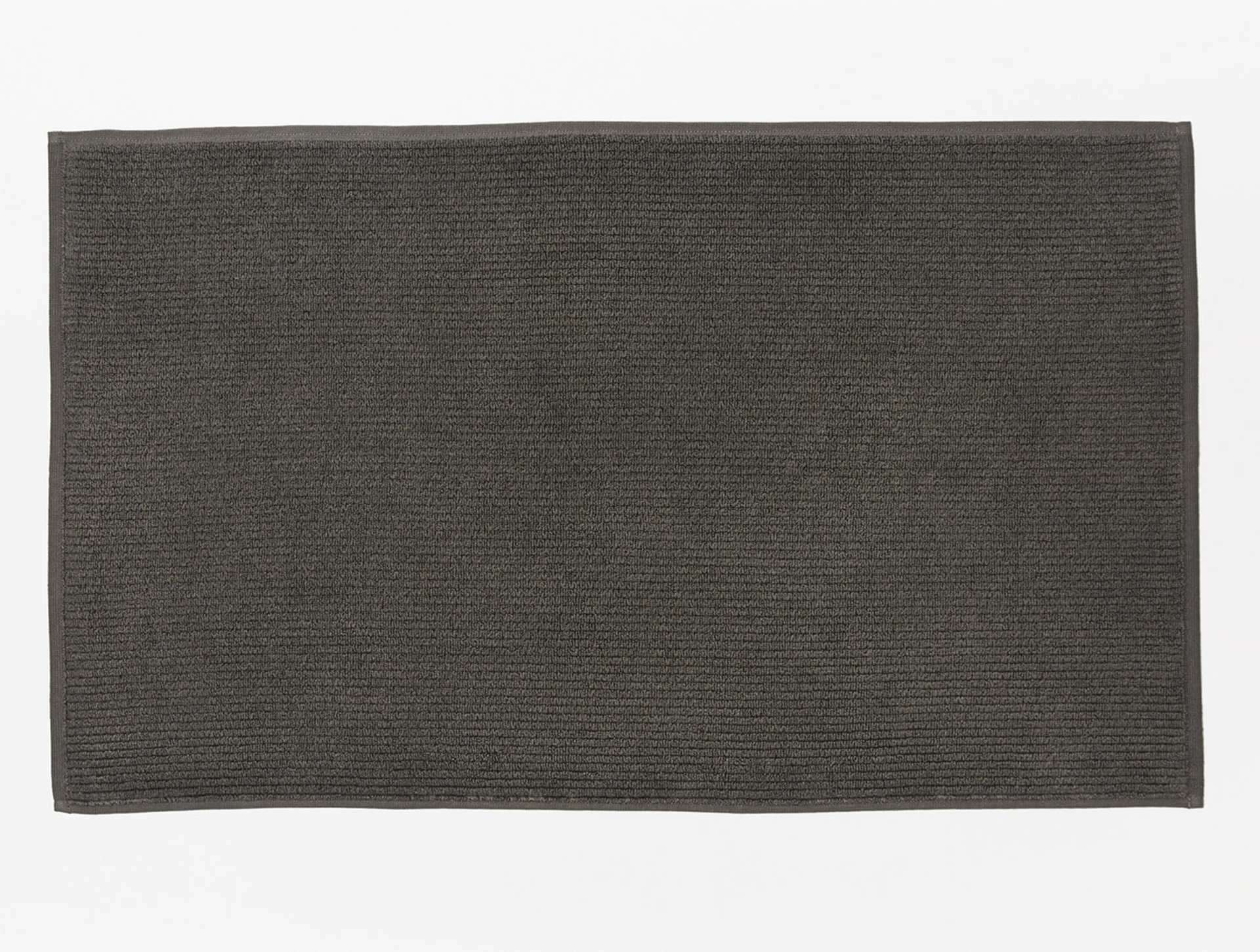
The Temescal Organic Bath Mat illustrates a lighter alternative to a deep, heavy pile. Made from long-staple organic Turkish cotton, it has a narrow vertical channel weave and is described as soft, absorbent, and quick to dry. Its listed dimensions are 19 by 32 inches, with a thickness of one quarter inch. That profile may appeal to someone looking for a textile with a gentle feel and a relatively low, lightweight construction rather than a thick, cushion-like rug.
What organic cotton tells you—and what it does not
Organic cotton describes the fiber’s agricultural sourcing under a particular standard; it does not tell you how the finished rug will feel or perform by itself. Weave, yarn, finishing, and care remain important. Two products made from organic cotton can differ markedly in thickness, absorbency, texture, and drying behavior.
Certification can provide additional information about how a textile was produced. For example, the Global Organic Textile Standard, commonly abbreviated GOTS, sets criteria for certified textile products across processing stages, including requirements related to organic fibers and certain environmental and social considerations. A certification claim should be checked against the exact product and its supporting information. Do not assume that a general statement about a material applies to every part of a product, or that a certification guarantees a particular feel, durability, or care outcome.
Long-staple cotton refers to cotton fibers that are relatively long. Fiber length can influence yarn characteristics, but it is only one part of the finished textile’s design. The spinning and weaving processes, as well as the rug’s construction, still shape its surface and behavior. In practical terms, shoppers should read material claims alongside the weave description, measurements, weight, and care label.
It is also useful to separate material preferences from performance expectations. Choosing organic cotton may align with a preference for certified or differently sourced fibers. Choosing between a channel weave and a plush terry surface is a separate decision about texture and use. Both can matter, but one does not automatically determine the other.
Borders, hems, and the details that hold a rug together
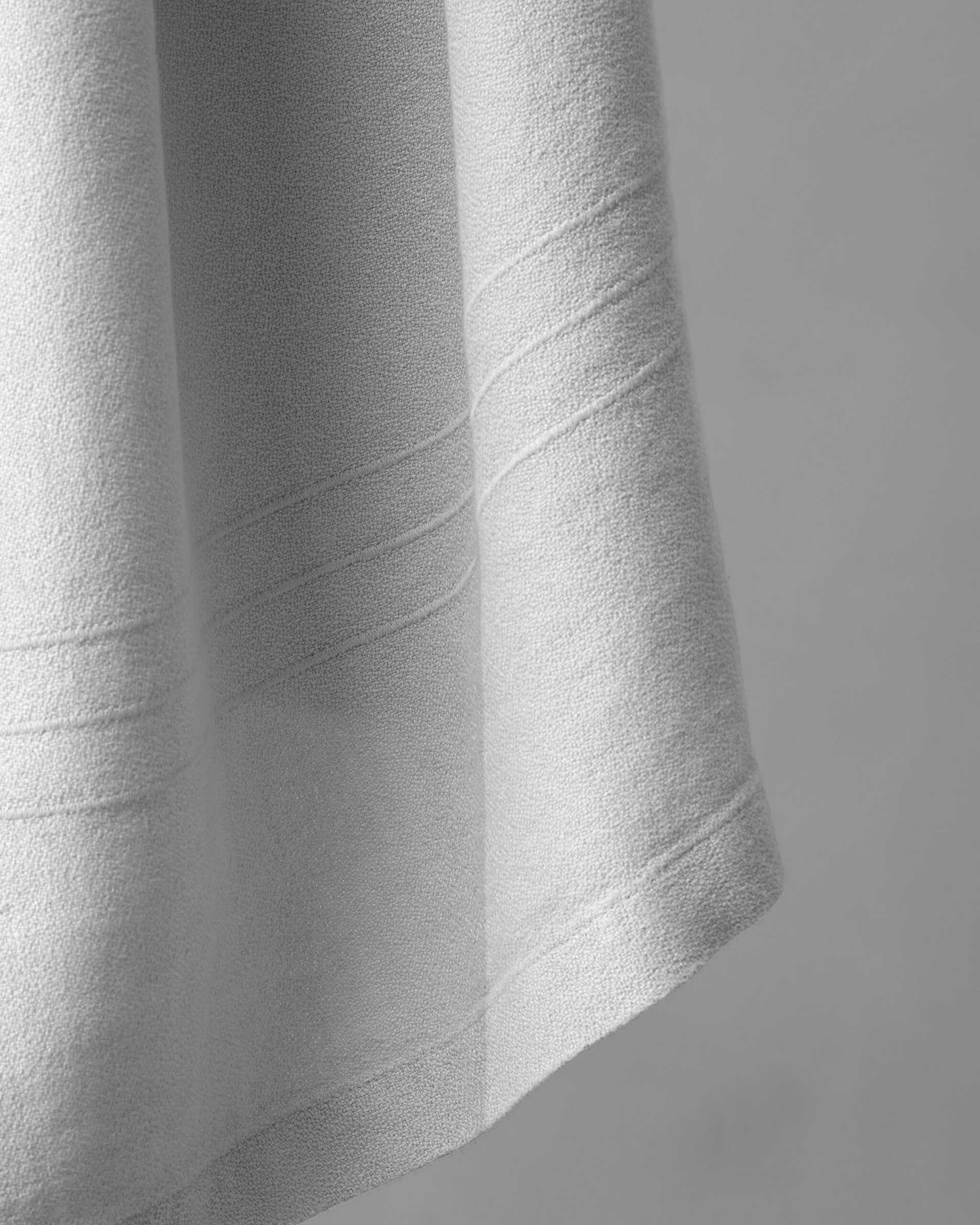
The center of a rug draws the eye, but its edges take repeated movement. A well-finished border can help define the shape and give the textile a neat appearance. Depending on its construction, it may also help the edges remain orderly through regular use and washing. Inspect whether the border is woven, stitched, or otherwise described, and look for care instructions that explain how to protect it.
Some rugs use a solid woven border, while others finish the edge with a hem or a contrasting band. A raised motif may be framed by a flatter perimeter, creating a change in texture underfoot. These design choices can contribute to the rug’s visual character, but they should be considered with practical details: Will the edge lie flat? Is the rug machine washable? Does the care label recommend a gentle cycle or a particular drying method?
Decorative elements such as fringe can add movement and a relaxed finish, but they may need a little more attention during washing and drying. A compact hem may be more convenient for a busy bathroom. Neither finish is universally superior. The right choice depends on how much maintenance you are comfortable with and how the rug will be placed.
Color and pattern are part of function in a quieter way: they influence how the rug connects with towels, tile, and other bathroom accessories. A natural, undyed surface can soften a room with stone or painted walls; a botanical or geometric motif can introduce detail without requiring a major change to the space. Choose a palette that works with the bathroom’s existing finishes, but let care and fit guide the decision as much as appearance.
Moisture, ventilation, and the rhythm of drying
A bathroom is a changing environment. After a shower, water vapor warms the air and settles on cool surfaces. A rug can absorb droplets from feet, but it also needs an opportunity to release moisture. If it stays bunched, covered, or pressed against a damp floor, drying may be slow regardless of the fiber or weave.
After bathing, spread the rug flat or hang it where air can circulate around it. Use an exhaust fan or open a window when appropriate for the room, and avoid leaving a wet rug folded over itself. If the bathroom remains humid for long periods, a lighter construction may be easier to manage, but no textile can compensate for persistently poor ventilation. Pay attention to the floor beneath the rug as well; lift it periodically to check that both surfaces are dry.
Absorbency and drying speed are related but not identical. A rug that takes up water readily may also retain moisture within its yarns and structure. A thin rug might release water sooner in some conditions, but room airflow and laundering habits can change the result. Treat product descriptions as useful guidance, not a guarantee that every rug will dry at the same rate in every home.
For households with limited space, a rug that is easy to lift and hang can make the daily routine simpler. A heavier style may feel pleasingly grounded, but it can be less convenient to move. Think about where it will dry, how often it will be washed, and whether one rug or a rotating pair would suit the room better.
A care routine that preserves texture
Regular laundering helps remove everyday soil and refresh a textile used in a damp room. The best routine begins with the manufacturer’s care label. Cotton rugs can differ in construction and finishing, so a general rule should never override product-specific instructions.
For a rug whose label permits machine washing, use the recommended temperature and cycle, and avoid overcrowding the washer. A cramped load can prevent the textile from moving freely and may put unnecessary strain on edges or loops. Wash similar colors together when the care instructions advise it. Mild detergent is often a sensible starting point; avoid using bleach, whiteners, or other treatments unless the label specifically permits them.
Fabric softeners and dryer sheets can leave residues that affect how some cotton textiles feel or take up water. If a product’s care guidance advises against them, follow that direction. After washing, dry the rug thoroughly using the method on the label. Low heat or air drying may be recommended for certain constructions. Remove it promptly when the cycle ends and reshape the edges while the fabric is still easy to arrange.
Between washes, shake out loose lint and debris, and let the rug air fully. If a spot appears, address it in a way that is compatible with the care instructions rather than reaching immediately for a strong cleaner. Persistent dampness, unpleasant odors, or signs of mildew call for prompt attention: wash and dry the textile thoroughly, and investigate whether the floor or room is retaining moisture.
One useful habit is to check the underside every few days, especially in a bathroom with limited airflow. A rug can feel dry on top while moisture remains underneath. Keeping the surface and floor dry supports a fresher-feeling space and helps prevent the textile from becoming a hidden reservoir of dampness.
A practical checklist before choosing
Before selecting among organic cotton bath rugs, consider the room and the routine together. A style that looks appealing online may not be the easiest choice for a narrow bathroom, a frequently used shower, or a household with a small washer. A few basic questions can clarify priorities:
- Where will it sit? Measure the space and check the clearance beneath doors and drawers.
- What kind of surface do you prefer? Compare looped terry, channel weaves, and flatter patterned constructions.
- How much cushioning do you want? Check thickness and pile rather than relying on a description such as “plush.”
- How quickly can it dry in your room? Consider ventilation, hanging space, and how often the bath is used.
- What does the care label require? Confirm washing temperature, cycle, and drying method before buying.
- How is the edge finished? Look for a border or hem that suits your preference and expected laundering.
- Does it need extra grip? If so, select a suitable non-slip underlay and check that both items can be maintained safely.
- Are material or certification claims important to you? Read the product details carefully and confirm what the certification applies to.
Choosing for the room you actually have
It is easy to think of a bath rug as a finishing touch, added after the important decisions are made. Yet its texture and care requirements are part of the room’s daily geography. A rug beside a shower needs room to dry; one under a vanity may have to fit around cabinet doors; a family bathroom may require frequent washing and a construction that is simple to handle.
For a compact or busy bathroom, a lighter, low-profile weave can be a practical fit if it meets your comfort needs and lies securely. For someone who values a more cushioned step, a looped surface may be more appealing, provided there is enough airflow and a reliable laundering routine. In either case, a quick-drying room depends on the whole setting—ventilation, placement, and habits—not just the cotton itself.
Pairing a rug with towels can make the room feel composed without making every textile match exactly. Shared tones or related textures create continuity; contrast can bring a little energy to a restrained palette. A linen towel, for example, has a different surface character from a cotton rug, and that difference can be part of a considered mix. The goal is not showroom sameness, but a comfortable arrangement that works when the room is in use.
In the end, the best organic cotton bath rug is not necessarily the thickest, the heaviest, or the most elaborate. It is the one whose weave feels right beneath bare feet, whose dimensions fit the floor, and whose care instructions make sense for the household. Construction offers a map: pile suggests a kind of softness, weave hints at texture and structure, and finishing details show how the edges are resolved. Reading that map carefully makes it easier to bring home a rug that belongs in the daily life of the bathroom—not only in its design.
At a glance
- Weave and pile shape the rug’s texture, cushioning, and relationship with moisture.
- Organic cotton describes fiber sourcing; it does not by itself determine feel, durability, or drying time.
- Border construction, thickness, and dimensions affect fit and everyday handling.
- Air circulation, correct placement, and complete drying are essential in a moisture-prone bathroom.
- Follow the product’s care label, since washing and drying recommendations vary by construction.